


There’s a new wave of single-player games for PC and consoles made in China. One year after Game Science grabbed the world’s attention with Black Myth Wukong, their take on a soulslike action-RPG, here comes another China-based development team, Leenzee, with a soulslike action-RPG.
Wuchang: Fallen Feathers has made an appearance here and there in the big showcases throughout the years, but doesn’t seem to have received the buzz it deserves. 505 Games once again has found another gem.
Wuchang: Fallen Feathers is one of best soulslikes of 2025, wearing its influences up its sleeves proudly while smartly tweak the formula it’s clearly reverent of.
Presentation
This review will be filled with hyperboles, but let’s start from the bottom with one of the weakest aspects of the game: the way it looks. Wuchang: Fallen Feathers runs on Unreal Engine 5 and on a base PS5, there are performance and graphics options (even a slider for “sharpening”).
But the game doesn’t look as nice as it should.
On “Prioritise Performance,” the game can hit a steady 60 FPS but so much of the textures look jagged. It looks fine in motion but makes for awful screenshots.On “Prioritise Graphics,” the 30 FPS-ish framerate feels wrong in that if you’re used to the button timings when played on the other graphics setting, it will mess you up. And the improvements on graphics seem negligible.
I don’t see much of texture pop-ups, the Achilles Heel of an Unreal Engine game. Though I like to assume that the gear menu is covers up the full screen is so that you don’t see the textures popping in as you swap clothing pieces. But then again, I also feel like the hi-res versions of the textures just don’t load up at all.
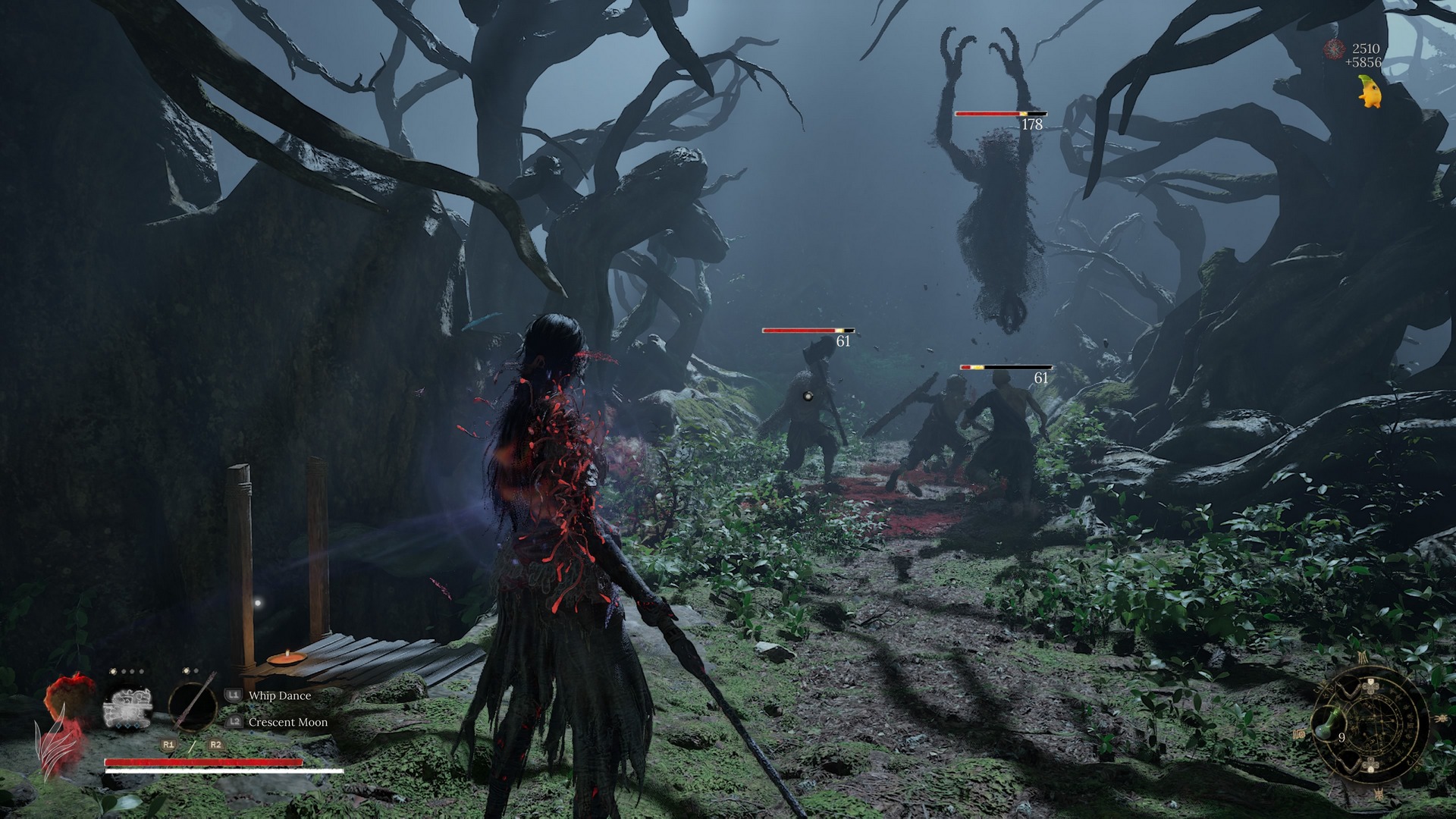
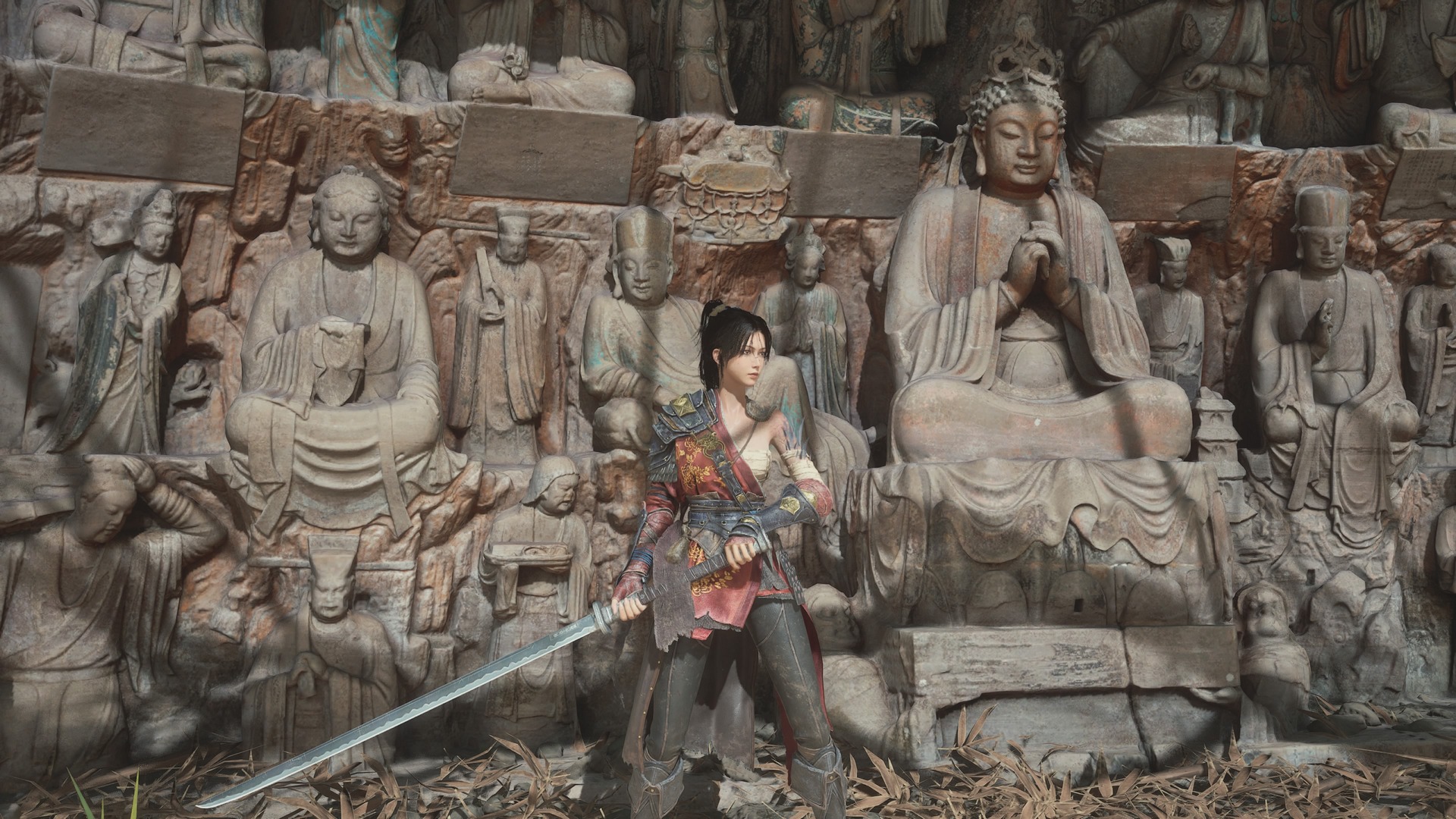
It’s a real shame that Wuchang’s biggest problem is the technical performance, because the graphical art itself is impressive. The lands of Shu looks breathtaking with beautiful vistas, ornate detailing of what I assume to be recreations of Ming Dynasty-era architecture, and eye-catching grotesque horrors. There are even murals, of the painted and sculpted variety, that looks authentic to the era (though admittedly my knowledge and exposure to the culture and history of this time period is limited, so I’m talking out of pure vibes here). There’s no day-and-night cycle, but you can sort of see the sun moving around as you transition from one area to another.
There are no loading screens, maybe a few clever long paths to hide background loading/streaming of a new area, but you can just see the sun and the shadows cast rapidly moving to position if you move too fast. Though there is a few seconds of load time when you fast travel, reset the world or respawn.
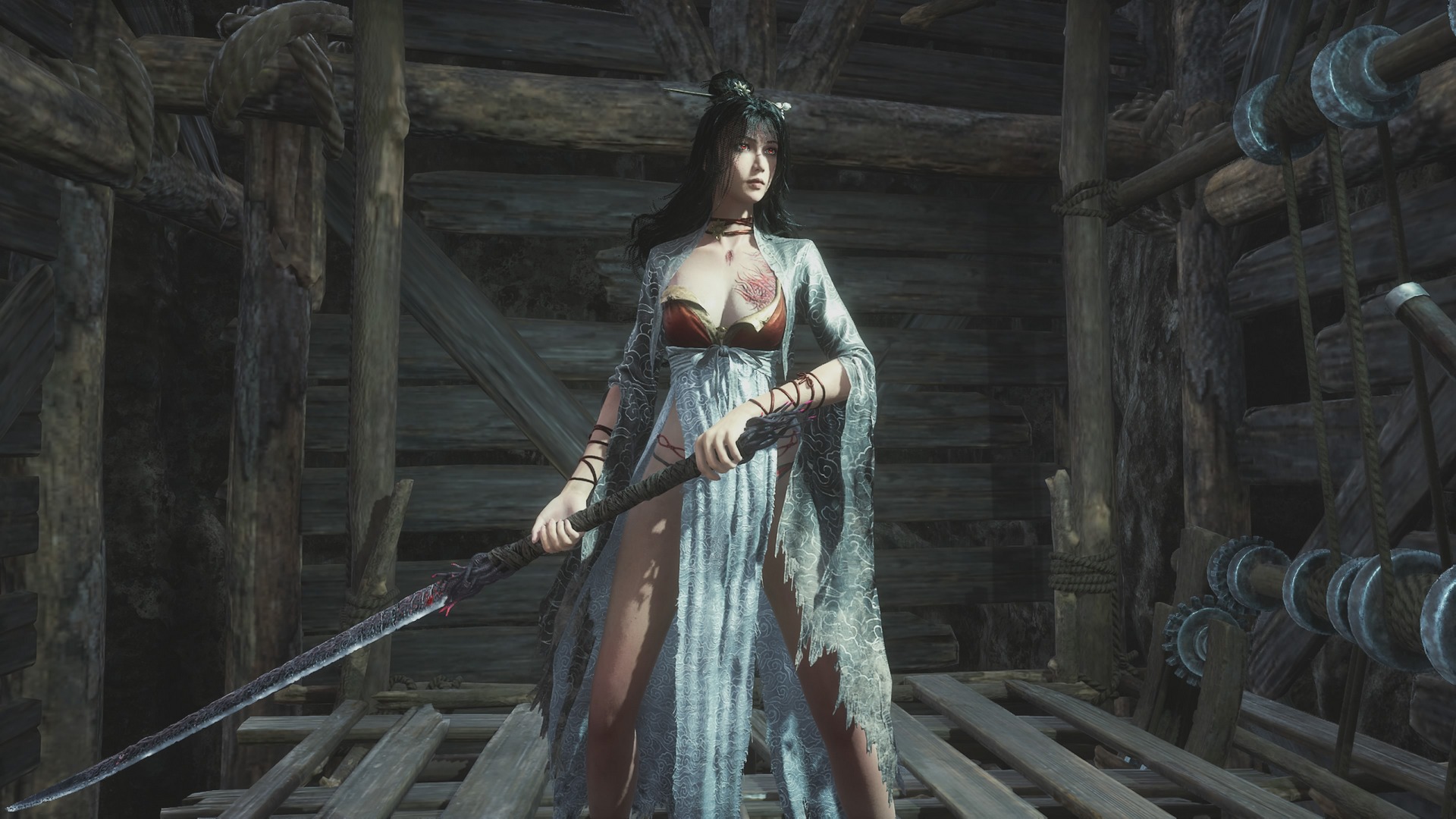
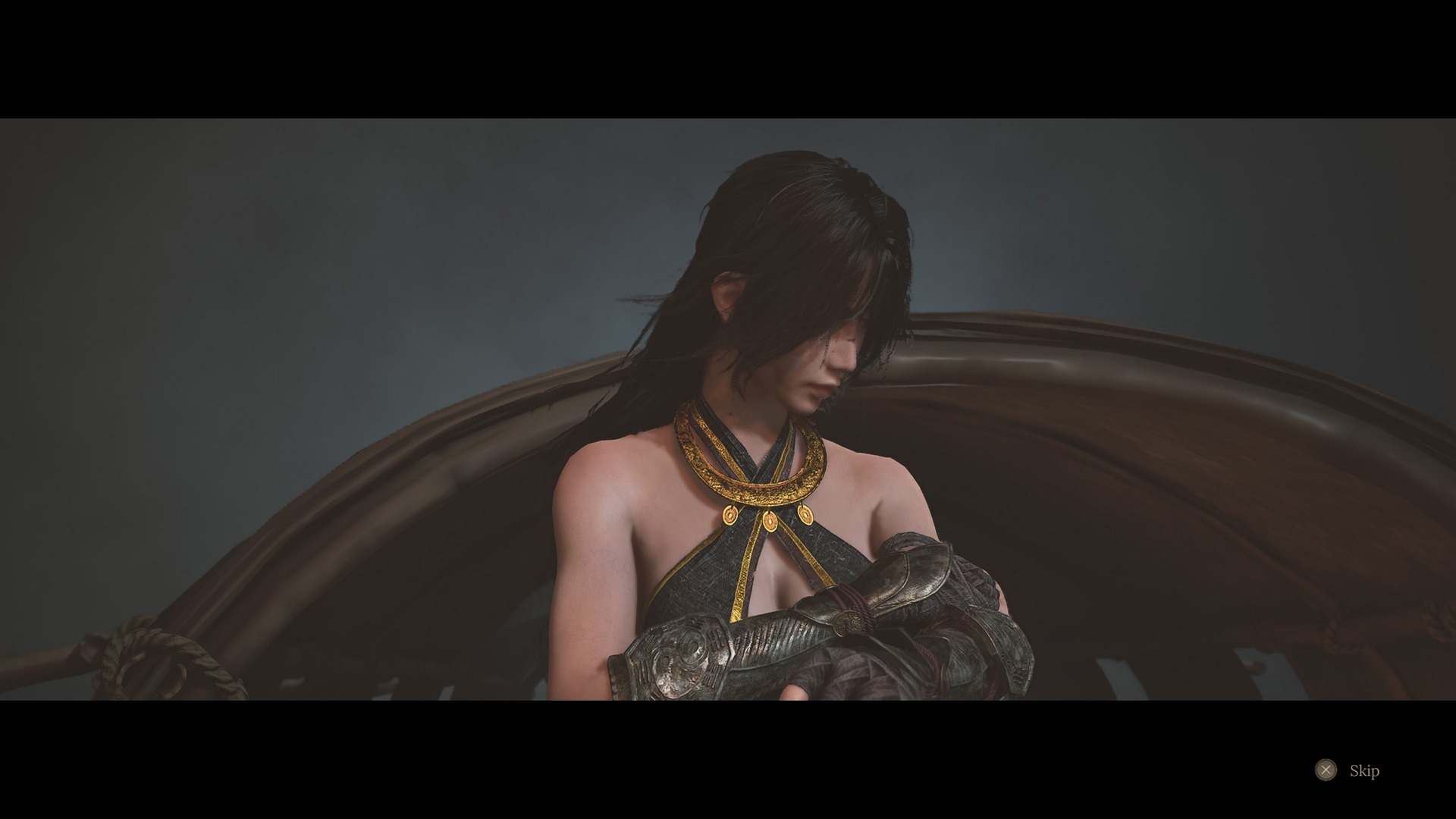
Characters look beautiful too. Wuchang, the player character, will certainly amass fans, even from those that dare not touch a soulslike. The developers aren’t afraid of having a little bit of fanservice. Asian beauty, indeed. There are modest and badass gear Wuchang can wear, this is not a total gooner game, but you can turn it into one should you so please to please yourself.
The cast of characters you meet, some you will clash with, are memorable in how they look. Each of the bosses are proper show-stoppers as well. You can tell immediately if an area has a boss fight, not just because it’s quite a large, empty space, but also how majestic the scenery is. The skybox, the arena walls (if any), the floor. All of it leaves an impression that you’re about to throw down, or get thrown down in mere seconds.
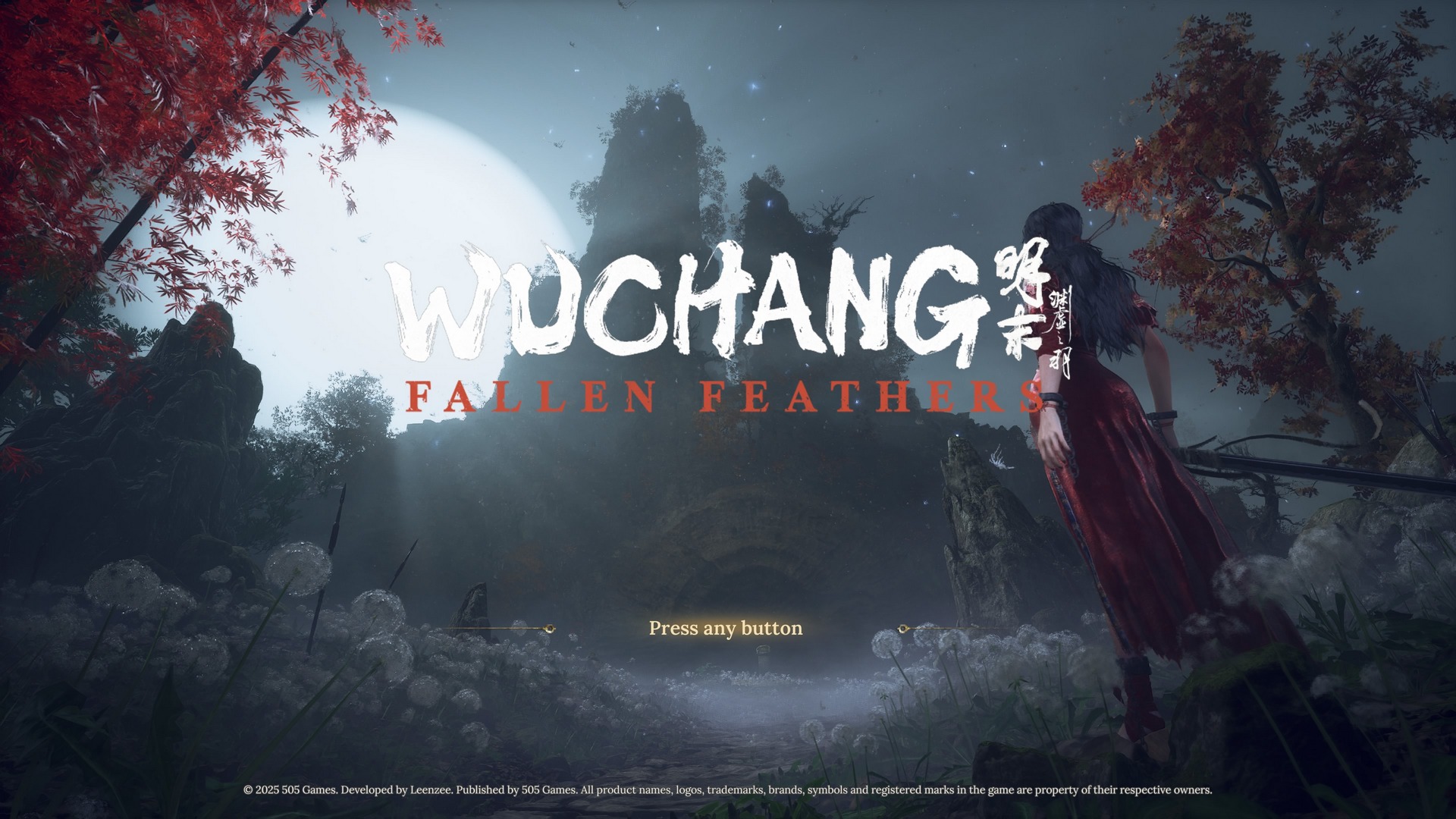
And the soundtrack, the glorious soundtrack. A lot of the music is the brooding, foreboding, variety as the world is in a decrepit state. Though if you’re stuck at one level for long enough you’ll start to feel how droning the music can be, it’s a short loop. I love the area transition stinger, with the traditional flute playing, is used to seamlessly switch from one music track to another. And then you fight a boss. The choir kicks in. The traditional Chinese instruments then gets infused to the already roaring orchestra. And in some fights, it becomes a rock opera. The music here, when it gets to shine, is phenomenal. I can listen to that main menu music, with that stonker of a menu screen that changes based on what part of the world you are in, for hours.
Wuchang: Fallen Feathers has an English dub, and I was ready to switch to the Chinese voice-overs whenever the dub starts to sound wrong. But that never happened. The English localisation and voiceover team work wonders in making the dialogue sound natural. Hats off the the English voice talents that managed to say the Chinese names fluently, even with the inflection that you’d expect to hear from a native Mandarin speaker.
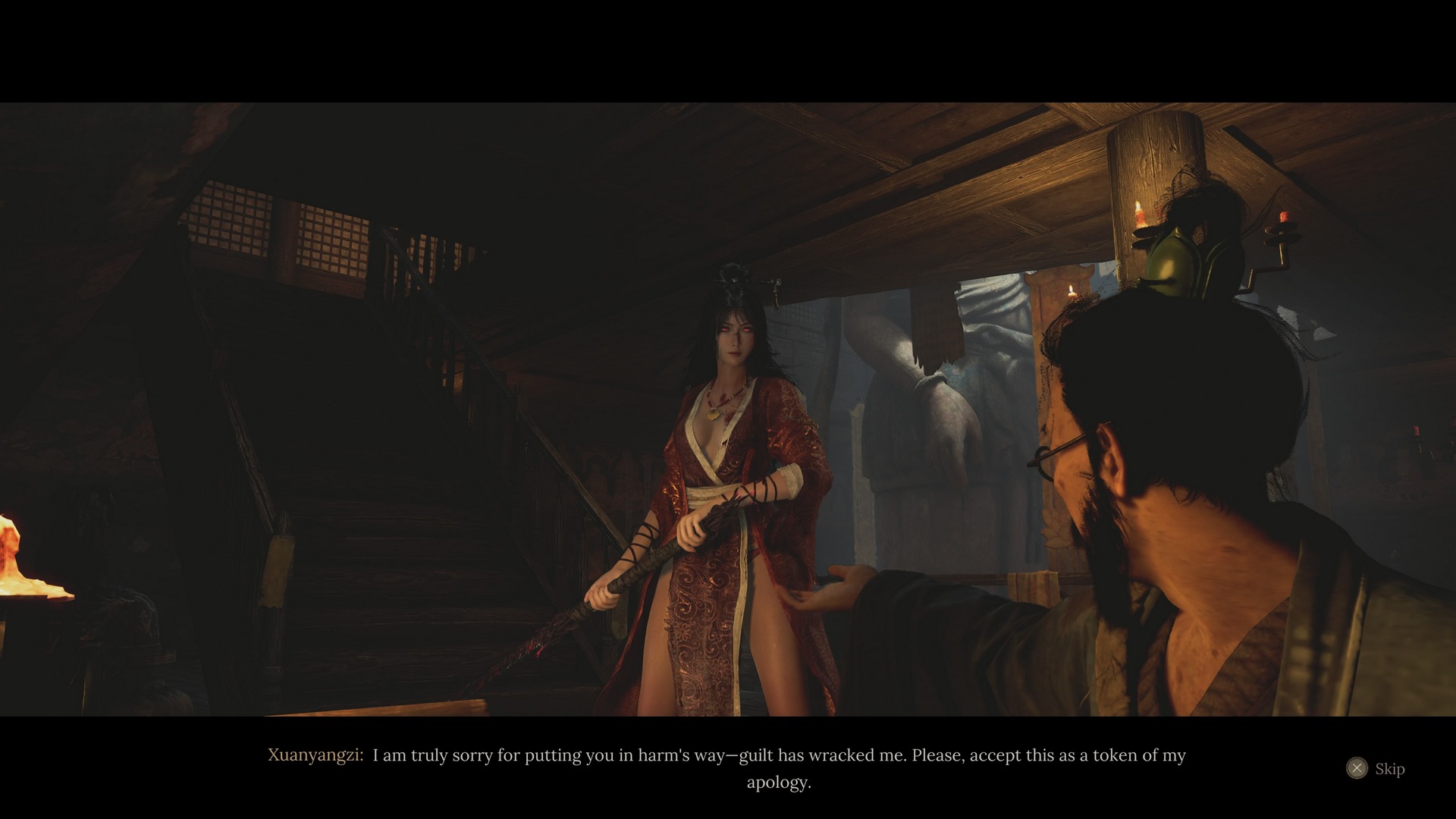
That said, is it Wuchang or Wuchang? Wuchang or Wuchang? Like how Jerma985 for some reason confused with how to pronounce “wooden” when there’s literally only one pronunciation of it, at least one character says Wuchang in the way a native English speaker would naturally say it, though a few other calls Wuchang like how native Mandarin speakers would. Both ways of saying Wuchang are permissible, I guess. Though the correct one is obviously Wuchang.
(I don’t speak the language but being from Malaysia, I’m familiar enough with how words are pronounced.)
Wuchang: Fallen Feathers suffers from technical performance, but its graphical art, music and voice acting are top-notch. This is a beautiful world filled with beautiful people, but also filled with gross, horrifying monstrosities that are also, in their own way, beautiful. It’s a hallmark of leaning into a specific culture and time setting and then pushing that aesthetic into an unexpected direction.
Who had the fall of the Ming Dynasty touched by Lovecraftian horror on their bingo card? Hold that thought as we go through the next bit.

Gameplay
In Wuchang: Fallen Feathers, you play as Bai Wuchang, a warrior recently afflicted with the Feathering and has now gone amnesiac. She was supposed to be on some mission, but is now caught up between a civil war that threatens the power of the Ming Dynasty, a plague that’s leaving many stricken, a food shortage and the arrival of an unknown horror. How the journey goes from here is up to you.
As the player character, Wuchang barely speaks, and dialogues are usually a one-sided conversation with the occasional dialogue choice or the option to hand over an item. She’s more of a player insert than a proper character, with the whole amnesia thing a way to justify her be like that. I wished the game gives here more presence than just another avatar, but at least she is a character with a past that you’ll discover throughout the journey.
Wuchang can’t jump, but she can swing various weapons so long as her stamina allows it. She’ll die and respawn at the nearest checkpoint, a shrine in this case. Enemies respawn too when you rest at shrine, refilling your stock Manna Potions (Estus Flasks).
So, do you happen to have a soulslike bingo card? If you do, I bet you’d have a bingo or two already. While titles like Stellar Blade, Star Wars Jedi: Fallen Order and the more recent Blades Of Fire do have elements of a soulslike, they wouldn’t be consider as such to a purist. These are soulslites, if you will. They have Soulsian elements.
But that list doesn’t include Wuchang. Developer Leenzee has made a soulslike borne of FromSoftware’s mould. But not just any soulslike. There’s a specific game Wuchang is highly influenced of.
It’s Bloodborne.
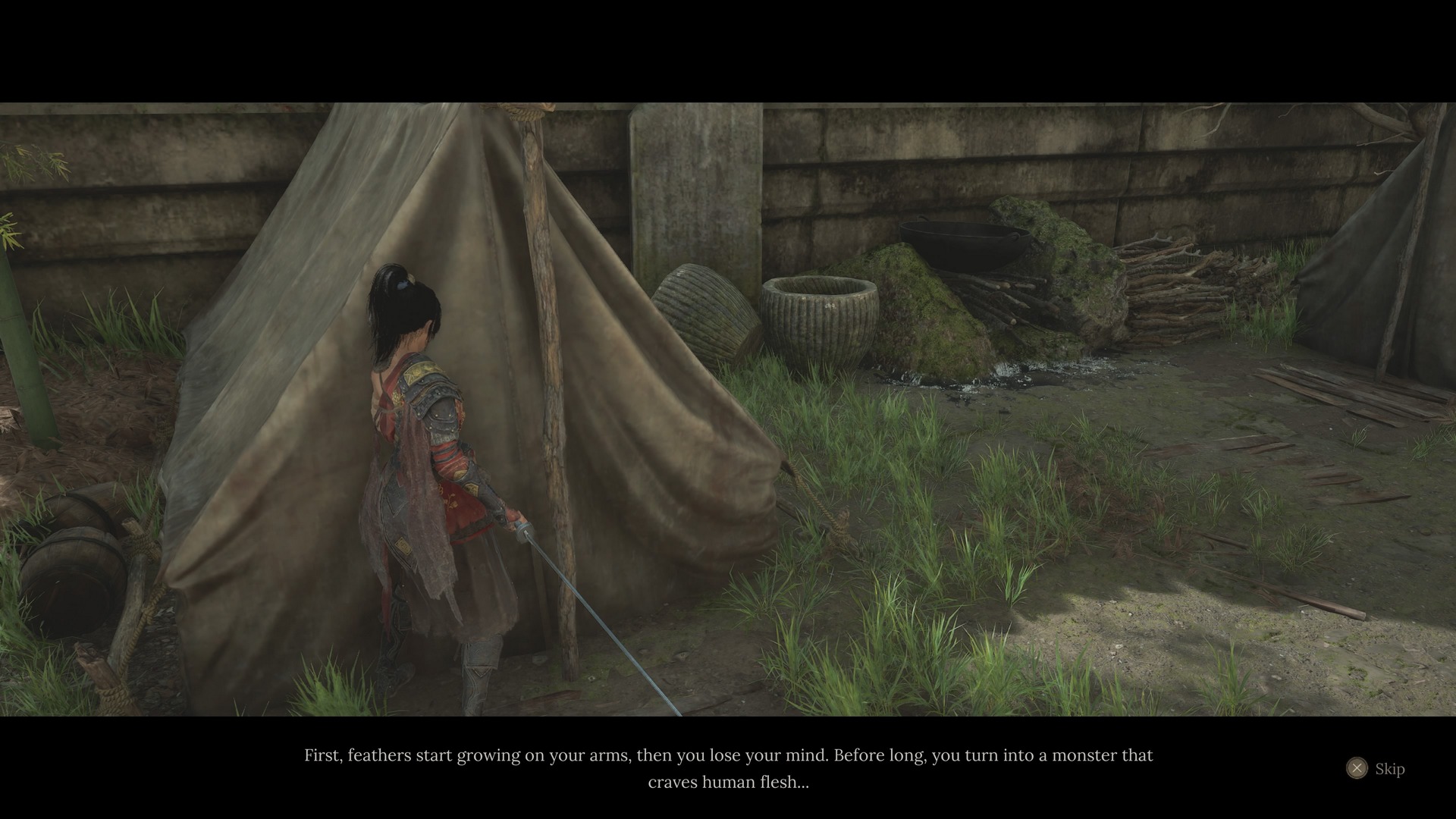
You’re In The Know, Right?
Wuchang: Fallen Feathers completely understands what makes Bloodborne so revered among the soulslikes. I would imagine the folks at Leenzee prefer the term soulsborne rather than soulslike. Because Wuchang feels like a love letter to the 2015’s finest action-RPG and then some.
You talk to people barring themselves in homes, plenty are fallen sick. They swap the Lovecraftian horrors from squid-themed to bird-themed. Lots of lots of blood and gore. The role of women in society is explored. Trick weapons (sort of). Elaborate, intricate labyrinthian levels that are interconnected in brilliant ways. So, so many devious tricks to ambush a player. Punishing, but not hard difficulty. Weapons that are sidegrades rather than upgrades.
How goes that bingo card? Surely you’ve gotten two or three already. And this is the surface level points, I haven’t mentioned anything that could be a spoiler!
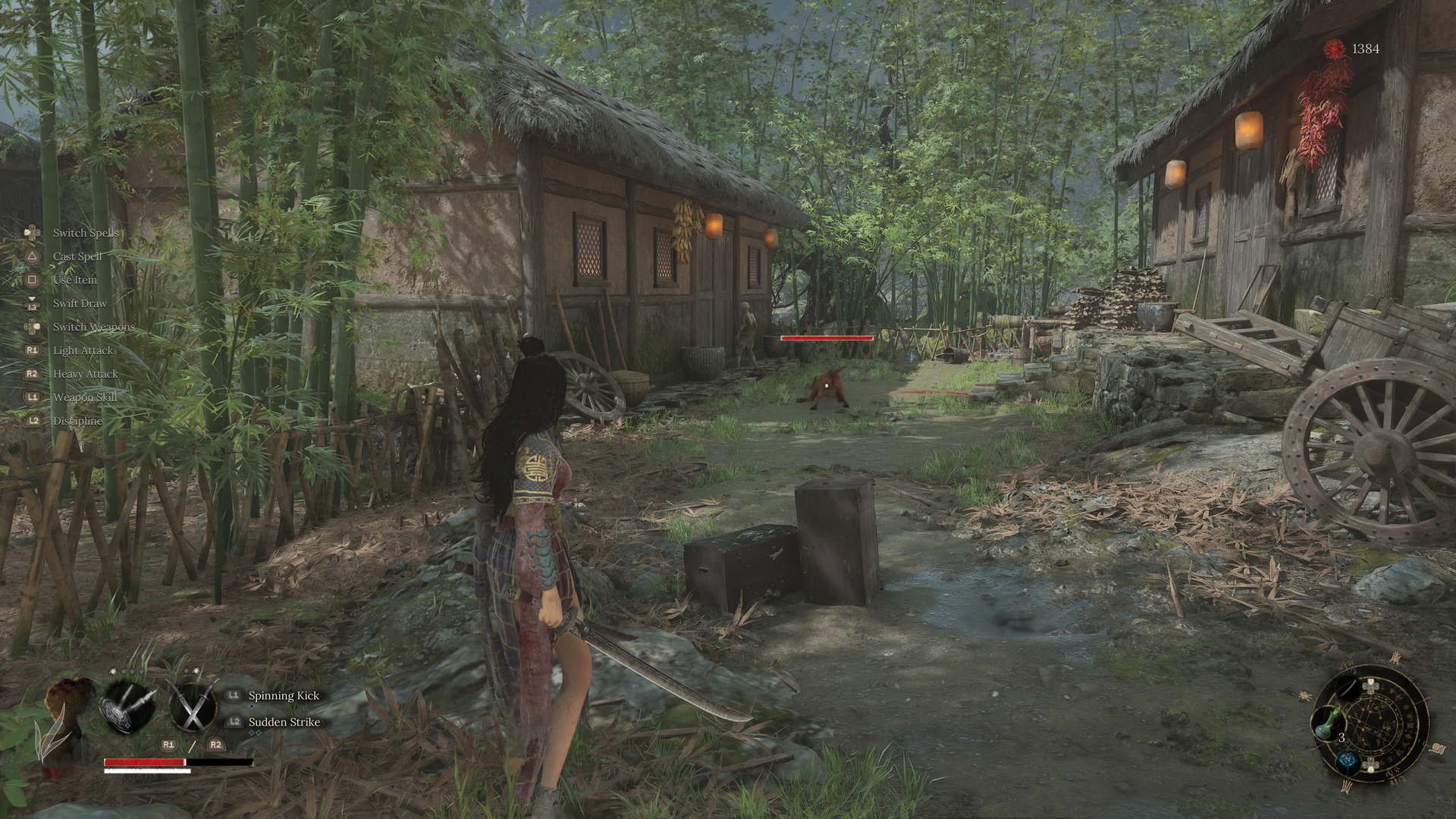
But that being said, Wuchang isn’t copying word for word, bar for bar of Bloodborne. No, Wuchang is definitely not Bloodborne from Temu. Underneath the homages are smart changes to the formula. Little tweaks and adjustments to an established recipe. Using a more traditional replenishable health potion ala Dark Souls instead of having to farm for heals like Bloodborne and Demon’s Souls, for example.
Leenzee is like how a master chef that doesn’t completely disregard a culture’s dish but only make slight changes to bring their own twist—their own culture—that respects yet also elevates a revered treasure of a whole community. The good folks at Chengdu know flavour, and they made this Bloodborne tribute a little bit spicy but still reeks of Bloodborne, in a good way.
They’re in the know.
Close Enough, Welcome Back Sphere Grid
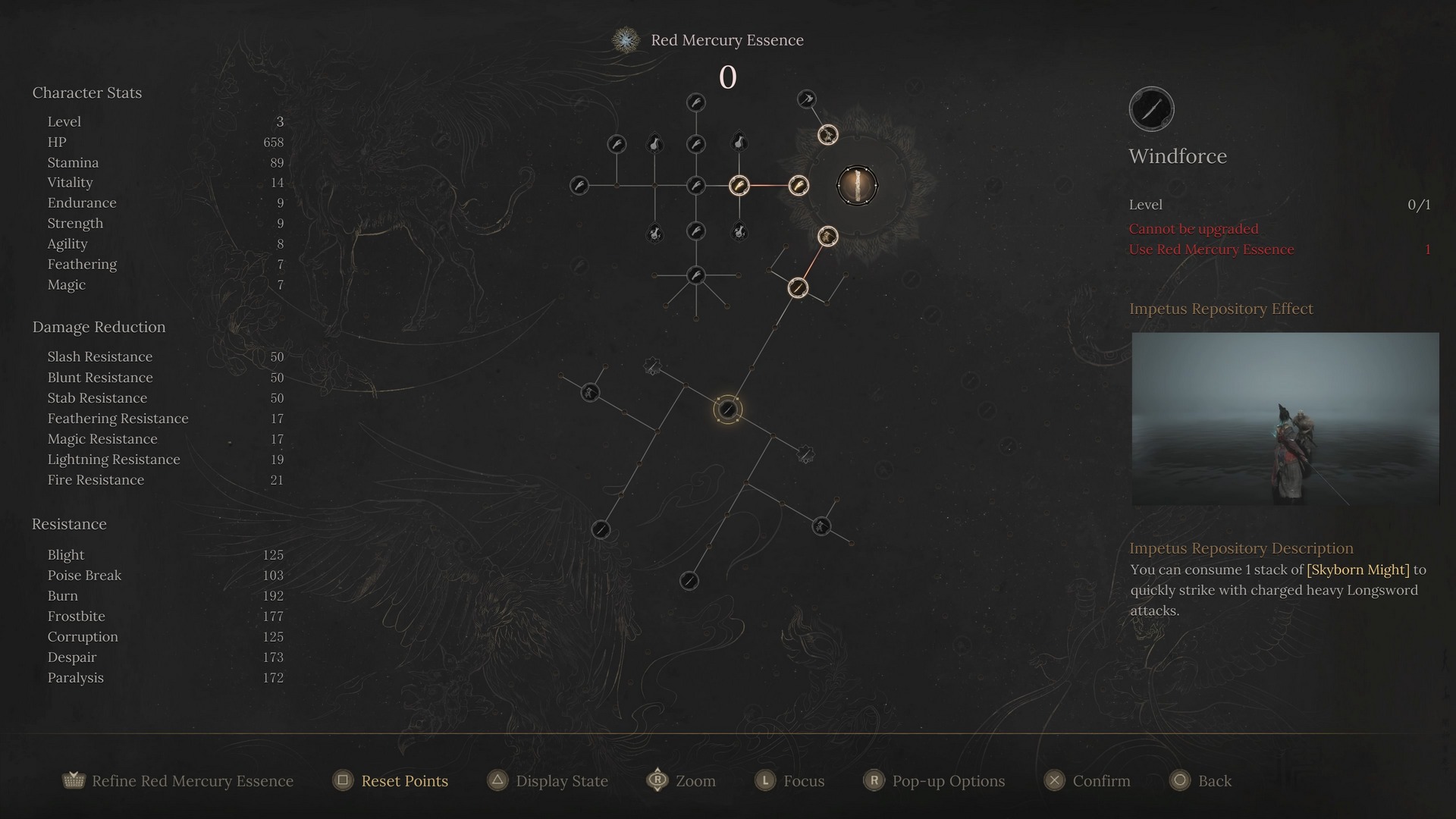
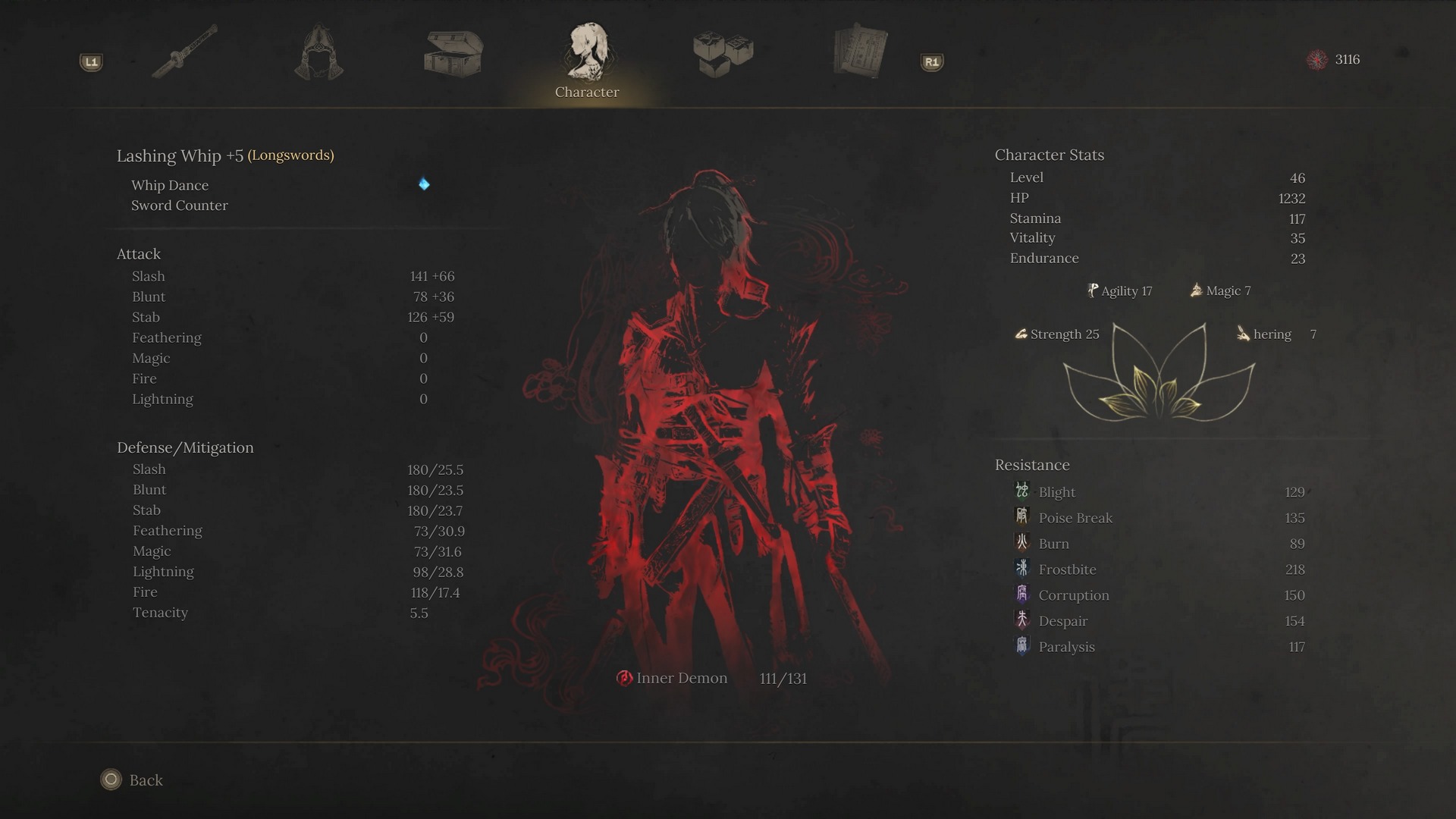
On the topic of what makes Wuchang not exactly Bloodborne, there are many. For one, I love how it handles leveling up. Instead of cashing in red mercury (souls/runes/blood echoes) into a stat point, you turn them into Red Mercury Essence, effectively skill points. Then you use those skill points on unlocking nodes laid out like it’s a Path Of Exile/Final Fantasy X sphere grid of a skill tree, called the Impetus Repository.
So you spend your skill points unlocking nodes on one of the six branches of the skill tree, one for each weapon type plus a general one that enhances spellcasting, Tempering (more on this in a bit) and healing.
Wuchang doesn’t show the full skill tree upfront, requiring you to venture far enough to see the tree expands, which I presume is to stop you from overthinking builds or suffer from analysis paralysis. The skill tree is daunting when you see it in full! But it’s actually less so, especially when you can respec at any time. Refund all your skill points, no upgrade on the skill tree is permanent. Placed points on a weapon skill tree you don’t vibe with? Refund the whole skill tree to spend them on another. Just realised a juicy +5 stat node is one level away? No need go back to farming red mercury when you can just refund one other ancillary node and put the points on that +5, you can get back to unlocking that other node later.
Weapon upgrades are done this way as well, you spend materials to make them +1,+2,+3 and so on but these can be reversed and refunded, so you are free to experiment with all five weapon types until you find two that works for you. They work universally for all weapons of the same type, so you don’t have to worry about committing to an investment. The game lets you experiment. Neat!
Having it laid out as a skill tree also helps players not familiar with stat scaling to not overspend or invest in the wrong stats. You’ll end up with a good build by just following the skill tree paths. Each branch will have the stats that scales well with its associated weapon type. The game won’t stop you from spreading points across all the branches, so you can intentionally have wonky builds. Wuchang hasn’t taken away most of the charm of a soulslike levelling system.
Skill And Magic Worth Using
The way Wuchang handles spellcasting and skills is also brilliant. You gain stocks of Skyward Might (a flowery name for this game’s MP/FP) for doing certain actions which includes perfect dodges (shimmer), a combo of weapon attacks and more. These stocks are limited—the most you can have is five—and they fade over time, so it’s within your best interest to make use of this limited resource and not horde it. Whether it’s to make a heavy attack wind-up faster, activate a skill or use a spell.
While I usually avoid spellcasting and skills in soulslikes, but Wuchang’s implementation of this system makes them a powerful tool to turn the tables around, with good damage scaling and utility (some of the skills and spells allows you to dodge a hit). I find skills and spells in FromSoft’s soulslikes wonky and require full investment on a specific build to really make use of it. You get nothing for spending a few points. Wuchang figured out a way to make skills and spells accessible and useful enough to just about any build. And you need every advantage the game offers in order to grasp and be in control of its aggression-oriented combat system.
Weapon skills are unique to each weapon. And a few of them are essentially “shoot a gun”. At least one turns a longsword into a leash, something you can find within the first five hours which I used until the credits rolles. See, trick weapons, sort of. You also can switch between two weapons mid-combo like a trick weapon. There’s a spear that extends like a pilebunker.
Keep ticking that bingo card.
Disciplines are played-assigned skills. Special moves, if you will. They don’t seem to be worth using at first, but they scale up in damage well, and some provide some real good utility. One of the longsword’s Discipline, Crescent Arc, has Wuchang take a leap backwards (which is considered a dodge, it’s tagged with the Shimmering keyword) and then can be followed up with a homing, frontal area-of-attack swing that deals multiple hits in an area. Really great for not just crowd clearing, but also when beating up giant bosses.
Another uniquely Wuchang system is Tempering. You know how in a soulslike you can use consumables to buff your weapons of choice by infusing it with an element or a status buildup? Instead of consumables, Wuchang makes it a refillable item the replenishes just like your Manna Potions are, and the buffs you apply can be customised. Some of the acupuncture needles used to slot in the Tempering system can be unlocked from the Impetus Repository,which means you can always just dedicate one skill point to switch between the elemental buffs for different boss fights, instead of having to grind out a level for each. Though other needles that provide passive buffs are dropped through hidden one-on-one spars against your Inner Demon. Somehow, there’s also invasions in this single-player offline-only soulslike.
How’s that bingo card looking?
It Takes Two To Tango
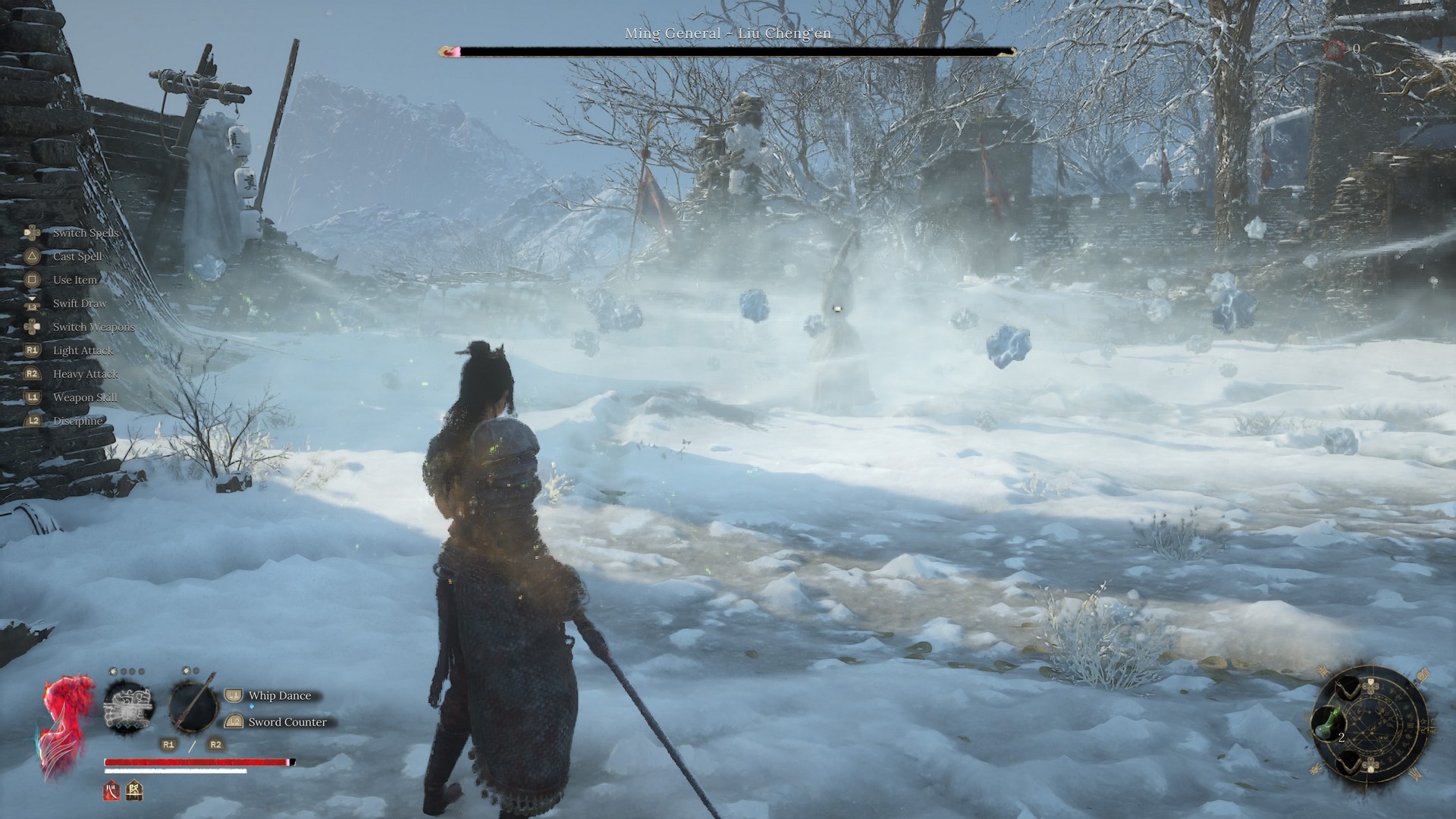
While Wuchang fundamentally reeks of Bloodborne, by the time you face your first boss fight, it’s more in line with Sekiro, or Wo Long: Fallen Dynasty. It’s a parry-or-die game, sort of.
You don’t have universal parries, it’s a skill you have to unlock and honestly, it’s rather unwieldy. But the dodge works the same way as a Sekiro deflect or a Wo Long parry: instantaneous, spammable (to a certain extent as stamina costs are at play) and nailing the perfect timing gives you a big advantage to allow you take your turn to combo by ending the combo the boss keeps doing.
The boss fights of Wuchang: Fallen Feathers are a tango, and as the saying goes it takes two to tango. You can’t just move out of distance and time dodge rolls to avoid a string of attacks (some boss attacks are designed to punish this with its ludicrous thrust range). You are required to hit your marks and dodge each attack with perfect timing in order to see this dance through. Learn the choreography, or else.
And it’s punishing. As I always say, soulslike are not hard, it’s punishing. And Wuchang, the game, is a cruel mistress that longs for the masochists that can persevere.
Missed your step in this dance choreography of death and the boss proverbially will step on your toe, really hard, screams at you of your incompetence, kicks you off the dancefloor and demands you to come back and start the dance from the top, again.
Boss fights are punishing like that.
Even when you think you have a long bar of health, the bosses can punish you to instant death with at least three hits. You’ll know when you’re severely underleveled if you get the one-shot death, which will likely happen at least once in your first playthrough.
And the real punishment is not having to start from the top. But it’s s the long walk to boss fight. Over, and over again. Sometimes it involves a lift ride, and that’s the shortest route to get back on the proverbial dance floor. It’s intentionally frustrating (because some boss fights have a shorter walkback path to the arena). You just have to, well, get good. Or suffer through the long walk just to die again if you flubbed the dance once more.
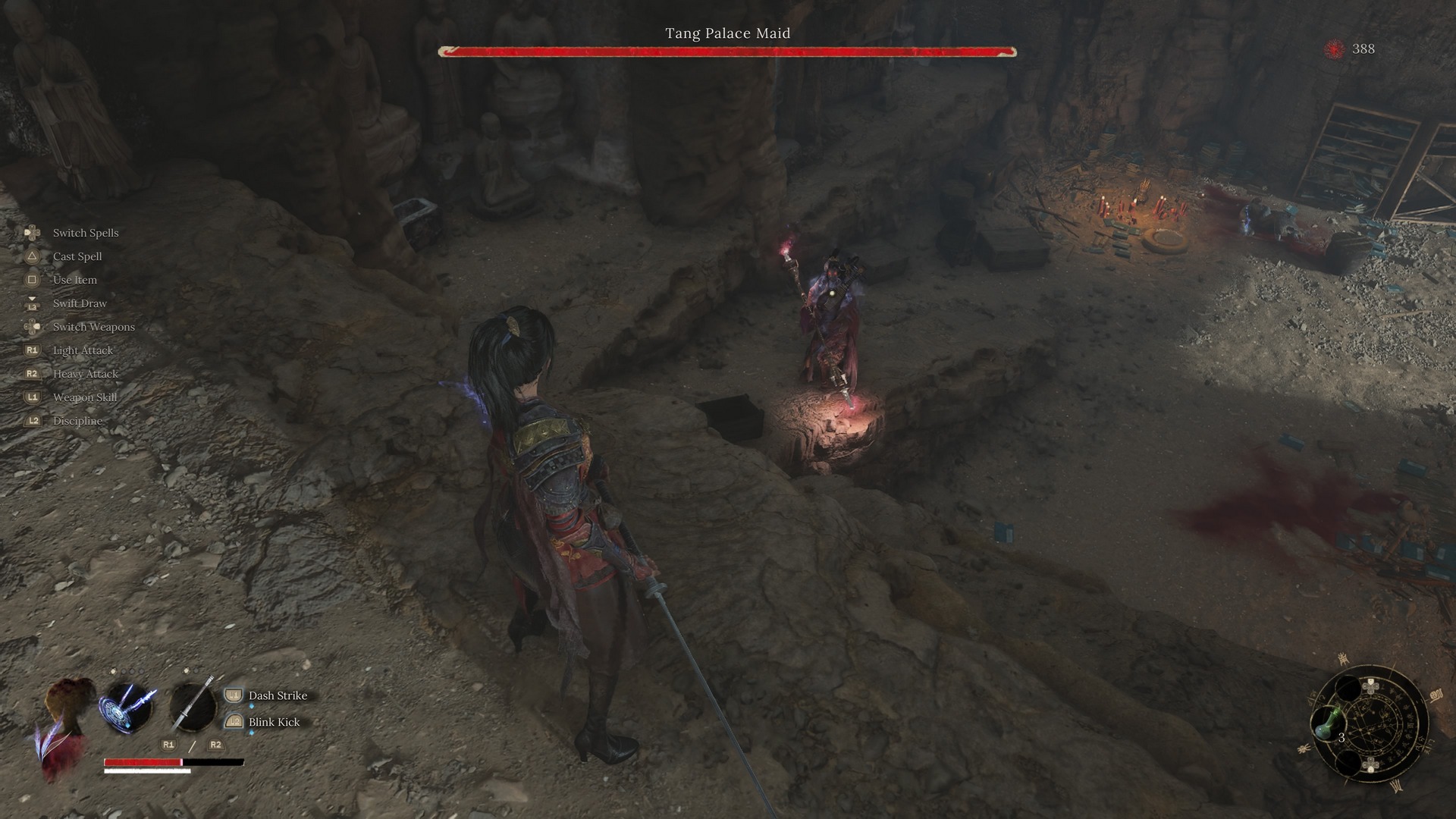
This is a parry-or-die game in that sense, you must lock in through the 2-5 minute dance, not skip a beat by nailing most of not all of your dodge cues, and use every ability and skill to your advantage, as the longer the tango goes you’ll likely be more prone to mistakes, and a higher chance of getting your toe stepped on.
When you do become that maniac on the dancefloor, it’s an adrenaline rush. That feeling when you operate entirely on instincts, locked in, ignoring the wild, flashy thing that’s happening on screen which may or many not kill you. It left my hands shaking, heart beating louder, and made me feel alive. The boss battles are all a thrill, whether if you fight one-on-one or have an NPC companion accompanying you.
In my opinion, nothing has yet to top Wo Long: Fallen Dynasty’s ridiculousness in boss fights which includes that one fight where you play a rally of ping-pong by parrying a giant fireball of doom multiple times with your boo Lu Bu. (I haven’t played all the recent soulslikes so this isn’t fully informed opinion.) But Wuchang’s dodge-based combat system gives a similar sense of dopamine kick in its own, spectacular way.
Getting that dodge timing is crucial to enjoying the game’s combat, it’s instantaneous yet the invincibility window triggers a bit after Wuchang enters the dodge state, so you have to time the button press a teeny bit later than the attack you’re dodging. The opposite of how parries usually work in video games, where you have to press the button a teeny bit early. Throw away that Expedition 33 muscle memory. That said, like Clair Obscu: Expedition 33, the only way to really practice the dodge timing is to take the hit, die a few times and repeat.
If you don’t have the perseverance, Wuchang: Fallen Feathers will drive you insane. It’s not just upon Wuchang in which Madness Descends.
The game’s punishing. Like any great soulslike should. But its rules are consistent. Once you learn how to tango, know every devious trick the world, enemies and bosses throw at you, any challenge becomes surmountable. Suffer enough times and you’ll eventually get the dodge timings, learn the attack patterns, find a safe window to heal and apply the Tempering buff. It feels more fair than any of the ridiculous bullshit the toughest Elden Ring’s bosses has to offer. But nailing the dance down as perfect as you can until it is you that prevails is just as high of a dopamine kick as you’d expect from a well-designed soulslike boss fight.
A Soulslike That Remembers It’s Also An Action-RPG
As much as Wuchang is a soulslike, it also retains the roots of the subgenre: an action-RPG.
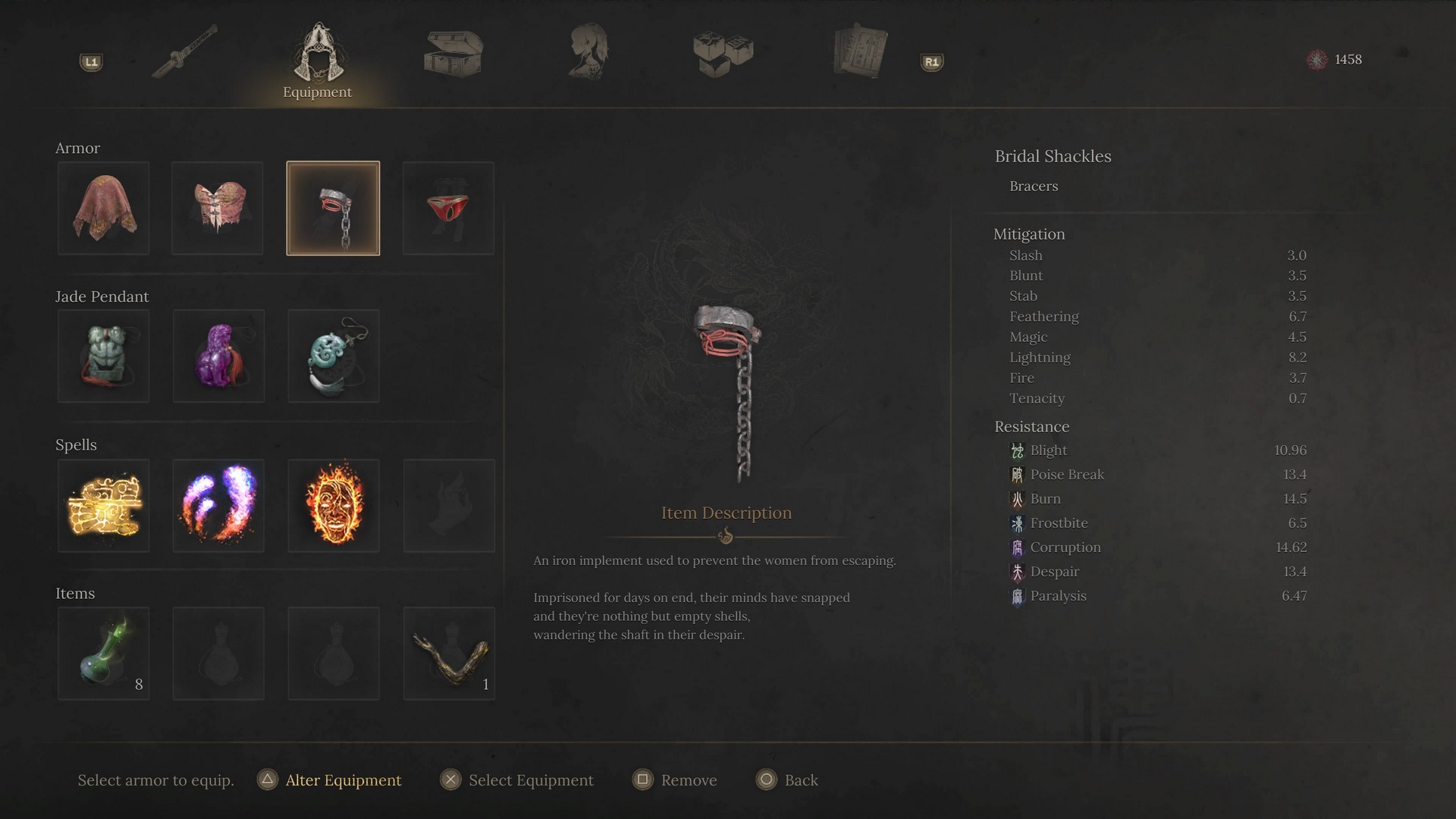
The RPG aspects are still here with the skill tree and gear stats. While weapons are mostly sidegrades, you do want to refresh your equipped gear from time to time, just to adjust the resistances and defences they provide.
Putting on knickers on the leg slot is rather silly with most of the undergarments (yes, multiple) offer meagre defences. But then when you had to traverse a location where a specific status effect is easily triggered, those knickers might be the one with the highest resistance. If you prefer to keep Wuchang looking stylish while still min-maxing gear, there’s an option to transmog/alter your equipped gear’s appearance.
Wuchang also has side-quests you can attempt, delivered in the style of Bloodborne. No quest markers. No indication of a side quest complete. Hidden rewards and branches. Usually ends with sadness or death. There are optional boss fights locked behind these quests, and you can expect to gain rewards in the forms of the clothing these quest-givers provide.
That being said, Wuchang isn’t in the business of being as obtuse as its inspos. The first few hours is a linear tutorial where the game teaches you all of the fundamentals, from how to use Obliterate (visceral) attacks, to how to platform your way down ledges, the whole nine yards.
On that note, people you can talk to progress quests are marked in the fast travel menu. Between all these quality-of-life tweaks and the way every skill and upgrade are reversible shows how much Wuchang doesn’t want to screw you over from the lack of information on how the systems work. It just screws you in other ways.
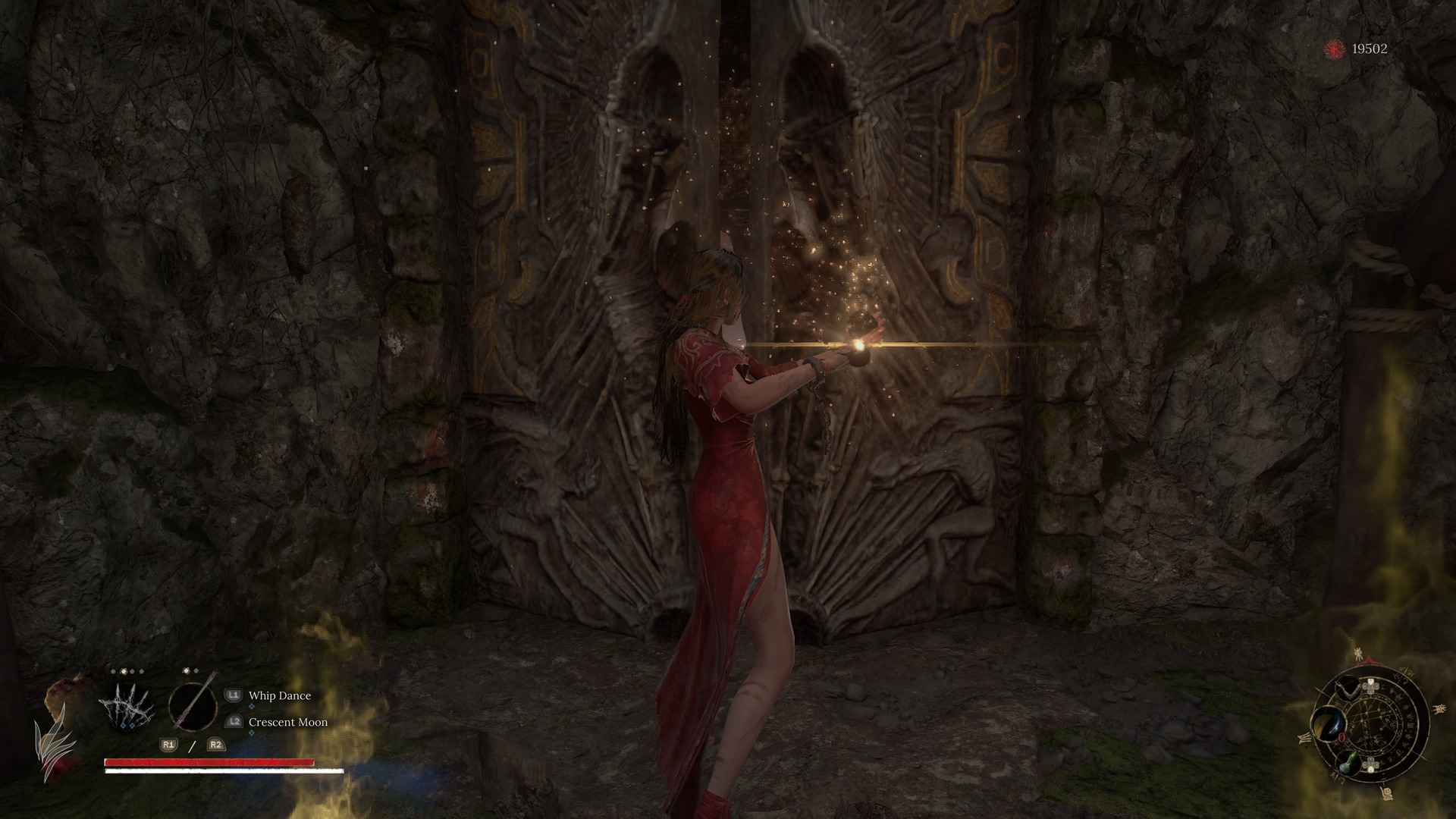
Though I don’t feel the Madness/Inner Demon system works as intended for me. At first glance, it sounds like a punishment system that makes every consecutive death have even worse consequences. You can safely decrease it by saying specific enemies that reduce Madness, but they are really rare in the early game. You can use items but they too are rare. And why would you even want to reduce Madness when at its highest, you gain more red mercury drops? Yeah, you run the risk of having to fight your doppleganger to reclaim all dropped red mercury or risk losing them all when you die by their hands, but just get good. Plus, there are buffs and items that allows you to increase and retain Madness. And if you get receive rate and powerful items at the cost of gaining more Madness. Plus, Wuchang also arguably looks hotter when she’s all mad rather than appearing more horrifying as she succumbs to the Feathering.
So what I conclude from it is that you should just… stay mad? The Fury buff/debuff where you deal more damage at the cost of taking more does mean you’ll likely die from the simplest of mistakes. But… it’s not hard to get good? And makes boss fights quicker? It’s okay to forfeit red mercury because you gain them in such an abundance especially in the late game?
This is the one system I’m not too hot on. But I can see how tense players can get as the more they kill and die trying to farm red mercury, especially in the early game, the likelier you’d lose all that effort from a silly mistake.
Wuchang’s moment-to-moment gameplay will be familiar stomping grounds for soulslikes fans, especially those who adore Bloodborne. It understands what makes those games work and faithfully recreated the experience one would crave from a soulslike that sticks close to the original progenitors.
Yet, the boss fights and tweaks to the various systems gives Wuchang: Fallen Feathers a little kick of heat and spice to the original dish. The deviations here, for the most part, are much welcomed.
Content
Wuchang: Fallen Feathers is surprisingly girthy in playtime. My playthrough took a good 47 hours before credits roll. Your playtime may vary based on the decisions you make and the optional sidequests you opt-in, or opt-out and miss. This game follows FromSoft’s playbook with having sidequests be rather cryptic. So expect to miss some content on your first blind playthrough, and you’ll need a guide should you wish to see and experience everything the game has to offer, including multiple endings.
There is New Game+ as well as multiple save slots, so whether you prefer to keep growing stronger fighting stronger enemies or start fresh, you can do either. A rarity in soulslikes.
The story is undeniably Bloodborne-coded, told in a similar manner. Cutscenes that are not just sick intros to bosses are few and far between (hence, Wuchang barely speaks). It’s a fascinating world that you discover by talking to the whoever is left alive in Shu, environmental storytelling (go and look at what’s hanging on most of the meat hooks), and flavour texts on items. Wuchang’s journey isn’t too abstract, however, and it helps that there is a personal journey as well should you not care of the bigger picture of what’s happening to the world in the moment.
What Wuchang really excels at is the level design. If you love the labyrinthian, interconnected, cleverly spiraled layouts of the levels in the Dark Souls series, boy you are in for a treat.
The land of Shu feels like a real, believable place if it’s not stricken by an avian plague, littered with monsters and a civil war of all things happening outside. Every split of direction available will leave you overwhelmed in choice, either because you don’t know which is the golden path towards story progression, but also which isn’t, so you don’t want to miss out on optional experiences. The shortcuts are clever and never not useful. The multi-layer levels feel wonderful to traverse, vast, scary and in actually you’re just going back and forth between four buildings, which is an impressive feat in level design.
And yes, it loves to jumpscare and screw you up. Any time you’d think an area seems too quiet and there might be an ambush, it probably is. That, or a comically large boulder would appear out of nowhere. And even when you expected something’s coming, you can still get jumped on still (not all ambushing enemies can be locked-on—very devious of them).
This game’s version of mimics is downright evil. You’ll be traumatised, it’s designed to inflict trauma upon soulslikes players used to doing this one thing that is their happy place. The devious geniuses cooked with this game’s take on mimics. Yes, plural.
Wuchang is a marvelous experience, if you love the thrill of exploring the unknown where every move can lead you to peril.
Personal Enjoyment
I’ll be the first to admit, I didn’t have Wuchang: Fallen Feathers on my radar. When it was revealed, I just scoffed it as another “one of those” games that attempted to be the next soulslike sensation.
While the folks based in Shenzhen managed to have the attention of the world with Black Myth Wukong, this game by developers based in Chengdu relatively flew under the radar for me and my circles. Though it has some good buzz back at the devs’ home base, from what I understand.
But now that I played through Wuchang, I’m taken aback at how amazing it is. It’s a phenomenal experience with impeccable execution. Outside of performance issues, it’s not janky at all to play. I really slept on this.
I get why though. You’d be setting up for failure if the marketing lead for this was “we love Bloodborne, here’s our take on that.” The expectations would be out of control. But that is its strongest aspect.
Wuchang shares familiar themes, operates on the same philosophy of encouraging risky aggression without removing the deliberateness of button presses, and provides the level sprawls and spirals in a way that makes it feel big despite it just being a series of tight corridors overlapping each other.
Wuchang doesn’t have that Gothic, Victorian aesthetic of Bloodborne, sure, but its essence is all here. Look, they even figured out how trick weapons could work in this game.
I’m also blown away by how much the world is actually inspired by real-life lore. It’s not exactly real history, obviously, but the land of Shu shares the name of the ancient Shu kingdom which modern-day Chengdu was a part of. The Ming Dynasty is also real, and Civilization VII (which also featured the Ming for the first time in the series, if I have a nickel for new games in 2025 featuring the Ming…) taught me that by that time, people have worked with gunpowder, which explains why there are matchlock guns and cannons. At least one artifact is based on a real, cultural symbol. I couldn’t find enough content out on the internet discussing the Ming dynasty in much depth, but now I expect a resurgence of interest in this part of China’s history and lore.
And this is just me, but I love seeing how many other smaller development teams based in Chengdu has helped co-developed Wuchang. Leenzee really is putting their town’s culture and history to the world stage, and they should be proud of themselves for doing such a good job at it.
Verdict
Wuchang: Fallen Feathers is a fine example of proudly being inspired by another work yet still able to stand on its own merits through thoughtful tweaks and changes.
The execution in making a soulslike action-RPG is immaculate, showing great understanding, appreciation and love towards its source material. The aspects where it deviate from its main reference are much-welcomed new ideas, proving the subgenre still has more room to grow.
Wuchang can join the flock of exemplary soulslikes. Though it’s definitely one that flies higher than the rest. Wuchang: Fallen Feathers is the next best thing to a Bloodborne sequel.
Played on base PS5. Review copy provided by the publisher.
Wuchang: Fallen Feathers
Wuchang: Fallen Feathers is a fine example of proudly being inspired by another work yet still able to stand on its own merits through thoughtful tweaks and changes.
Wuchang can join the flock of exemplary soulslikes. Though it's definitely one that flies higher than the rest. Wuchang: Fallen Feathers is the next best thing to a Bloodborne sequel.
- Presentation 7.5
- Gameplay 9.5
- Content 9.5
- Personal Enjoyment 10